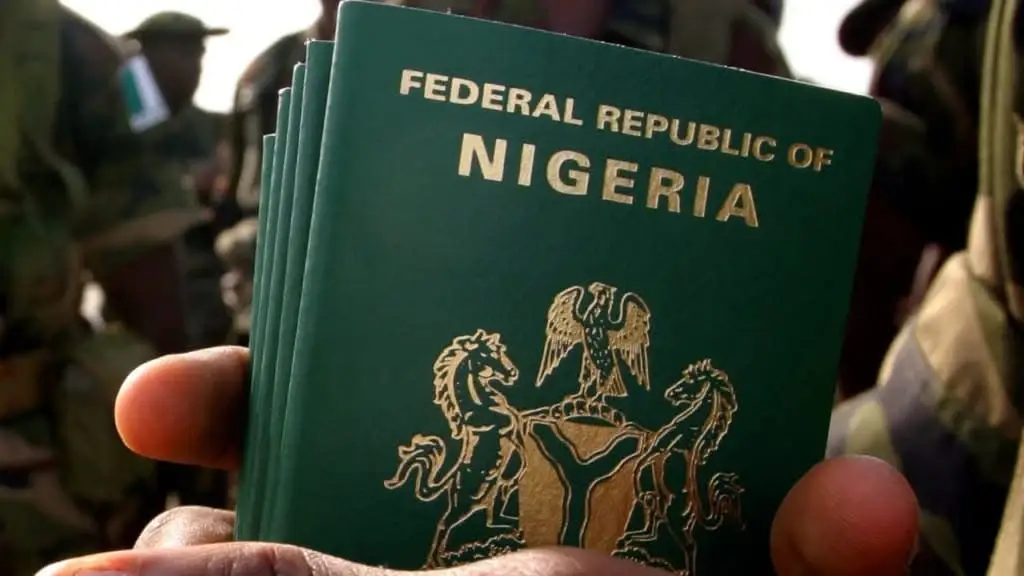
The FG of Nigeria has raised alarms regarding the United States’ new visa policy for Nigerians, calling the decision excessive and urging the U.S. to reconsider in the spirit of collaboration and mutual regard.
This development coincides with the UAE’s implementation of harsher entry rules for Nigerian citizens, including the full suspension of transit visas.
According to the new UAE immigration guidelines, Nigerians between 18 and 45 years old are now ineligible for tourist visas unless they are accompanied. Those aged 45 and above must submit a six-month personal bank statement showing a minimum balance of $10,000 each month before being granted a visa.
Similarly, the British High Commission in Abuja revealed an update in the UK’s immigration process for Nigerian applicants seeking study and work visas, further increasing international restrictions.
On Tuesday, the U.S. Department of State declared that from July 8, 2025, most non-immigrant and non-diplomatic visas for Nigerians will be limited to three months and single-entry use. The FG responded to the policy shift through the Ministry of Foreign Affairs.
Ebienfa, spokesperson for the ministry, confirmed to Wizopa that the directive is under review and consultations are ongoing to determine an appropriate response. In an official statement, the FG noted the move with deep concern, particularly due to Nigeria’s long-standing diplomatic and cultural ties with the United States.
The FG emphasized that this change would affect a broad group of Nigerians—including students, business professionals, and visiting families—and could hinder cultural and educational exchanges.
Acknowledging U.S. sovereignty over its immigration framework, Nigeria urged reconsideration of the policy, underscoring the value of mutual cooperation and bilateral respect. Diplomatic talks are underway to resolve the matter.
A high-level meeting took place between Nigeria’s Minister of Interior, Olubunmi Tunji-Ojo, and U.S. Ambassador Richard M. Mills Jr. on Wednesday. The session, attended by other top officials, aimed at strengthening bilateral cooperation through a revised and efficient visa structure.
Discussions focused on visa reciprocity, secure travel documentation, management of visa overstays, and enhancing security through data sharing. Both parties agreed to uphold strict compliance and responsible travel behavior.
The U.S. Embassy clarified that the updated visa terms fall under its global reciprocity adjustments and will apply only to new visas issued from July 8, 2025. Visas issued prior to that date will remain valid.
Retired diplomat Rasheed Akinkuolie described the U.S. policy as temporary and likely to be reassessed. He advised that Nigeria should respond in kind, emphasizing that official diplomatic travel remains unaffected—an indicator of continuing strong government-level relations.
Foreign affairs analyst Charles Onunaiju linked the decision to broader geopolitical shifts and advised Nigeria to diversify international alliances rather than confront the U.S. directly.
Meanwhile, Dubai immigration reiterated that Nigerians aged 18 to 45 cannot travel alone on a tourist visa, and those 45 and older must provide proof of $10,000 monthly balance over six months, alongside all required documentation.
In the UK, effective from July 15, 2025, most Nigerians applying for study or work visas will be issued eVisas instead of physical stickers. Biometric enrollment remains necessary, and applicants will receive emails with visa decisions and instructions to set up UKVI accounts.
Gill Obe of the British High Commission emphasized the shift as part of the UK’s transition to a modern digital immigration system. She noted that dependents and visitor visa applicants will still receive passport stickers for now.
Opposition reactions followed swiftly. Labour Party’s Dr. Ayo Olorunfemi blamed government incompetence for Nigeria’s increasing diplomatic isolation. He argued that poor governance has fueled emigration and international embarrassment.
The NNPP’s Ladipo Johnson described the global reaction as a warning to Nigeria, citing the absence of ambassadors and poor policy communication. PDP’s Dele Momodu and ex-presidential aide Bashir Ahmad also weighed in, linking the situation to Nigeria’s foreign alignments, including ties with BRICS.
In response, President Tinubu’s aide Daniel Bwala denied that strained diplomatic relations caused the visa restrictions. He emphasized that ties with the U.S. remain strong and steps are being taken to address the issue constructively.
SEE MORE TOPICS :