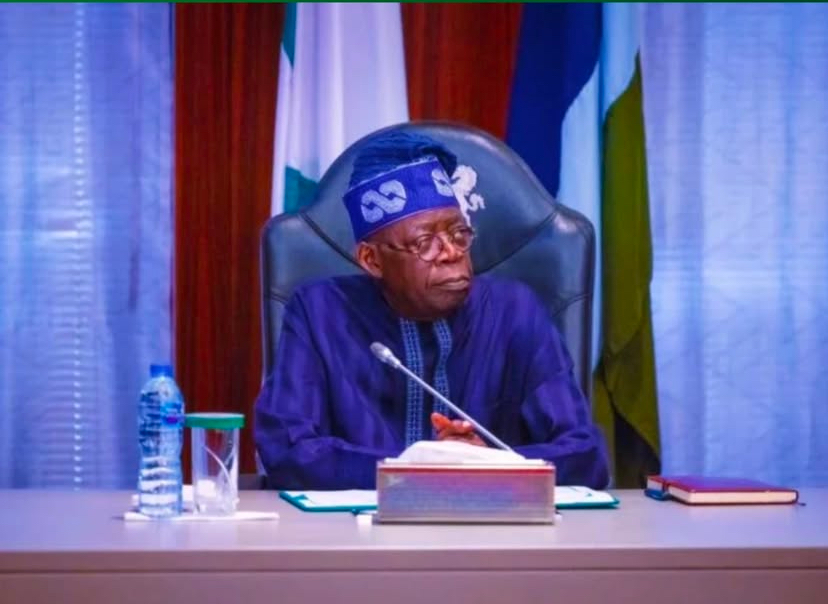
President Bola Tinubu has directed that individuals convicted of kidnapping, drug trafficking, human trafficking, fraud, and unlawful possession of firearms be removed from the list of beneficiaries under the federal government’s prerogative of mercy.
A statement issued on Wednesday by Bayo Onanuga, Special Adviser to the President on Information and Strategy, explained that Tinubu made the decision “following consultations with the Council of State and public opinion”.
“Following consultations with the Council of State and public opinion on the matter, the President directed a further review of the initially approved list for consideration in furtherance of the President’s discretionary powers under Section 175(1)(&(2) of the 1999 Constitution (as amended),” the statement reads.
“Consequently, certain persons convicted of serious crimes such as kidnapping, drug-related offences, human trafficking, fraud, unlawful possession of firearms/arms dealing, etc, were deleted from the list. Others who had been hitherto pardoned in the old list had their sentences commuted.
This action became necessary in view of the seriousness and security implications of some of the offences, the need to be sensitive to the feelings of the victims of the crimes and society in general, the need to boost the morale of law enforcement agencies and adherence to bilateral obligations. The concept of justice as a three-way traffic for the Accused, the Victim, and the State/Society also guided the review.
The approved list of eligible beneficiaries has been transmitted to the Nigerian Correctional Service for implementation in line with the duly signed instruments of release.“
On October 9, Tinubu granted presidential pardon and other forms of clemency to 175 persons, following the approval of the Council of State.
Among the 175 beneficiaries were Herbert Macaulay, one of Nigeria’s foremost nationalists; Farouk Lawan, a former member of the House of Representatives; and Mamman Vatsa, a Major General and poet executed in 1986 over alleged treason.
Drug offenders, illegal miners, white-collar convicts, and foreigners were also among those who received the presidential pardon.
The list generated mixed reactions, as some Nigerians argued that certain beneficiaries should not have been pardoned considering the magnitude of their offences.
One of those granted clemency was Maryam Sanda, the woman sentenced to death by hanging for stabbing her husband, Bilyamin Mohammed Bello, to death.
Following the public outrage, Lateef Fagbemi, Attorney-General of the Federation, stated that the pardon list would be reviewed, noting that there are different stages involved in the process.